CASE STUDY · CARMD CONNECT MOBILE APP

An end-to-end design exercise in process leadership

An end-to-end design exercise in process leadership

An end-to-end design exercise in process leadership

Working directly with stakeholders, engineers and end-users, I helped re-define the company's approach to product design.

Working directly with stakeholders, engineers and end-users, I helped re-define the company's approach to product design.

ROLE

Lead UX Designer

TIMELINE

6 months · 2024

TEAM

Product · Eng · Business

SCOPE

Discovery → Launch
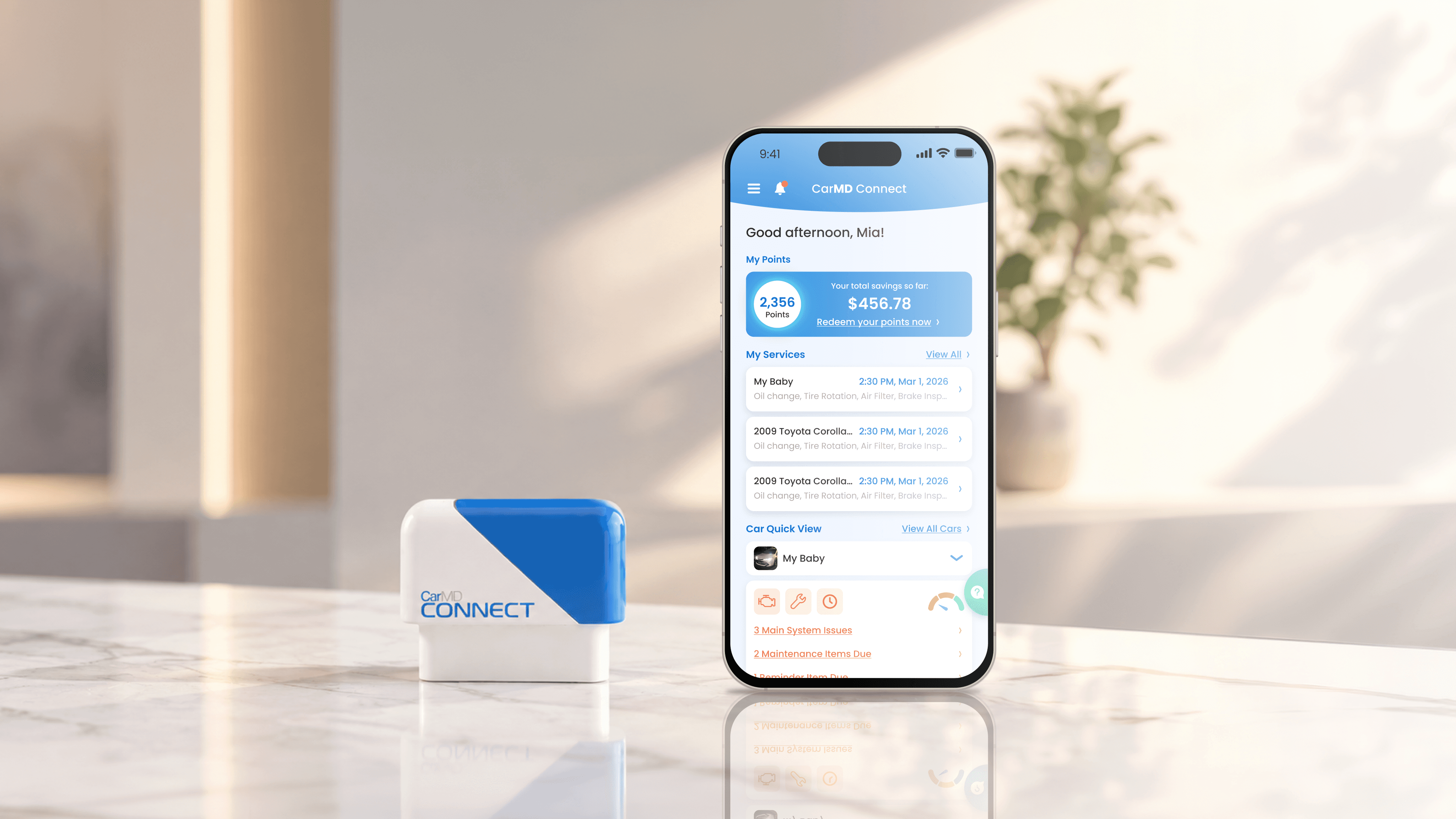
Executive snapshot

Executive snapshot

THE PROBLEM

The ambiguity of maintenance & repair for drivers of older vehicles.

After 5 years, a car loses it's manufacturer's warranty, and drivers must learn how to care for their car.

THE MANDATE

Move the company beyond a DIY-centric use case.

The company's current product line catered toward people who wanted to fix cars themselves - a much smaller market.

MY ROLE

Moving from feature-led to insight-led product development.

I advocated for and establish user-research methods, feedback collection and analytics within the company, fundamentally shifting their process.

OUTCOMES

A successful Beta launch that resulted in directional shift.

Our users loved the design, but felt the product's features didn't fully align with their needs.

From Blank Slate to Beta

From Blank Slate to Beta

A story of how end-user alignment is critical to success.
01 · Discover

Working with an outside research firm, we conducted focus groups and interviews to help define the core needs.

02 · Define

Stakeholders disagreed with the research - resulting is deep discussions and trade-offs.

03 · Design

Working with a team of engineers, we built a functional prototype for end-user testing.

04 · Validate

Before Beta testing, we validated our execution with usability studies.

05 · Deliver and learn

We deployed the app to 1500 users across the U.S., collecting both in-app analytics and direct feedback. Their insights validated our early research, highlighting it's value to the stakeholder.

Research Goal

Define the market landscape and appetite for the stakeholder's proposed value propositions.

Methods

  • Analysis of market data

  • User surveys (n=560)

  • Focus groups

Key insights

Most people have a need-based relationship with their vehicle, not thinking of it when all is well. They turn to Google or a trusted friend or family member when any issues present.

Design Implication:

Position the product as the first trusted resource during moments of uncertainty by providing immediate, easy-to-understand guidance before users seek answers elsewhere.

Users value technology that saves time, reduces frustration, and helps them avoid unnecessary expenses.

Design Implication:

Prioritize actionable recommendations over technical information, enabling users to quickly understand their options and confidently choose the most efficient next step.

Trust in repair shops is earned through consistent experiences, yet most users lack an ongoing relationship with a mechanic.

Design Implication:

Build confidence through transparent diagnostics, repair explanations, and consistent guidance, helping users make informed decisions regardless of where they seek service.

During emergencies, users rely on friends or family before contacting professional roadside assistance or repair services.

Design Implication:

Design for reassurance first by helping users assess urgency, understand their situation, and easily involve trusted contacts when needed.

Artifacts

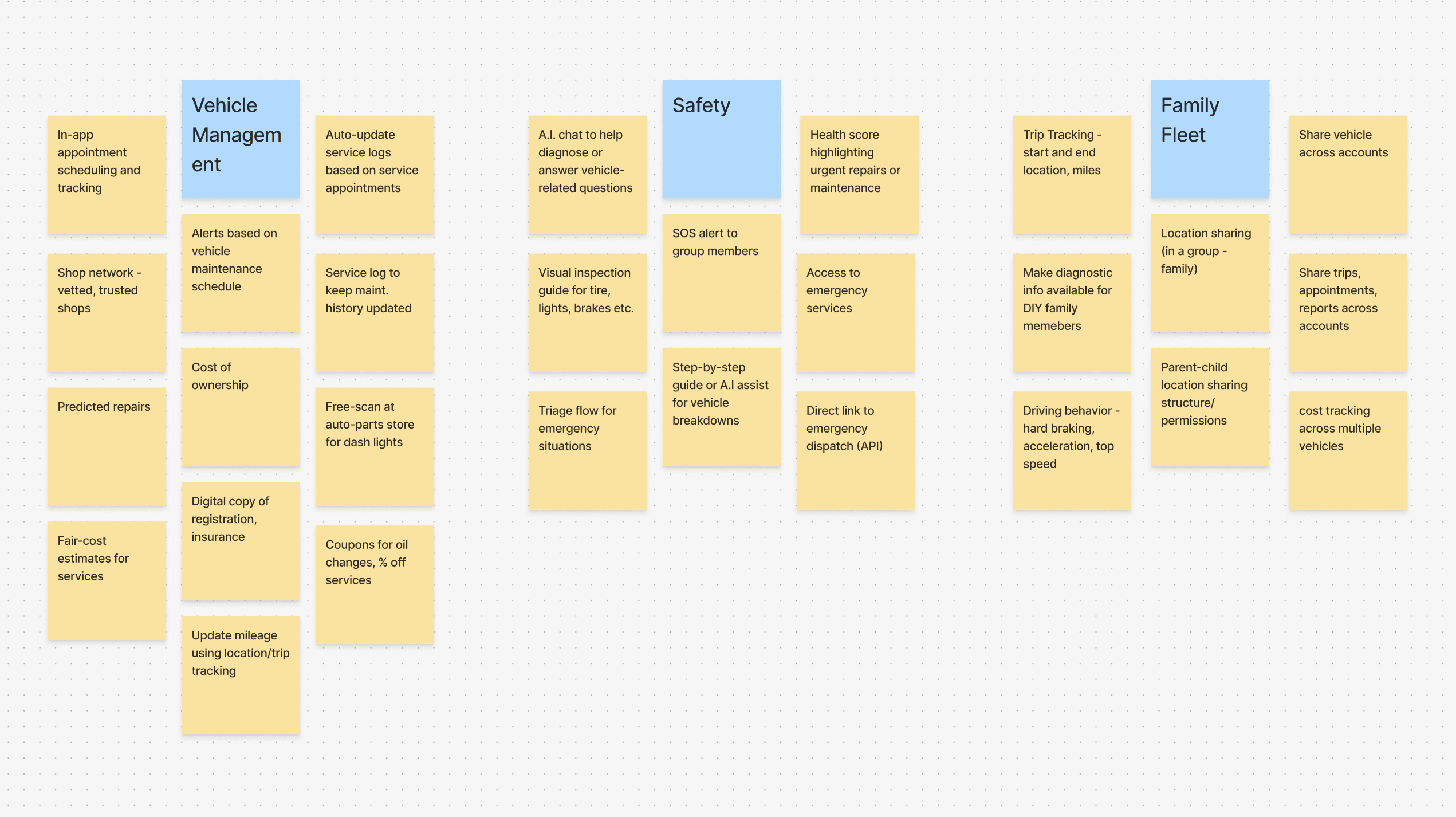
Working with the stakeholders, I mapped out potential features, clustering them into primary value propositions.

01 · Discover

Working with an outside research firm, we conducted focus groups and interviews to help define the core needs.

02 · Define

Stakeholders disagreed with the research - resulting is deep discussions and trade-offs.

03 · Design

Working with a team of engineers, we built a functional prototype for end-user testing.

04 · Validate

Before Beta testing, we validated our execution with usability studies.

05 · Deliver and learn

We deployed the app to 1500 users across the U.S., collecting both in-app analytics and direct feedback. Their insights validated our early research, highlighting it's value to the stakeholder.

Research Goal

Define the market landscape and appetite for the stakeholder's proposed value propositions.

Methods

  • Analysis of market data

  • User surveys (n=560)

  • Focus groups

Key insights

Most people have a need-based relationship with their vehicle, not thinking of it when all is well. They turn to Google or a trusted friend or family member when any issues present.

Design Implication:

Position the product as the first trusted resource during moments of uncertainty by providing immediate, easy-to-understand guidance before users seek answers elsewhere.

Users value technology that saves time, reduces frustration, and helps them avoid unnecessary expenses.

Design Implication:

Prioritize actionable recommendations over technical information, enabling users to quickly understand their options and confidently choose the most efficient next step.

Trust in repair shops is earned through consistent experiences, yet most users lack an ongoing relationship with a mechanic.

Design Implication:

Build confidence through transparent diagnostics, repair explanations, and consistent guidance, helping users make informed decisions regardless of where they seek service.

During emergencies, users rely on friends or family before contacting professional roadside assistance or repair services.

Design Implication:

Design for reassurance first by helping users assess urgency, understand their situation, and easily involve trusted contacts when needed.

Artifacts

Working with the stakeholders, I mapped out potential features, clustering them into primary value propositions.

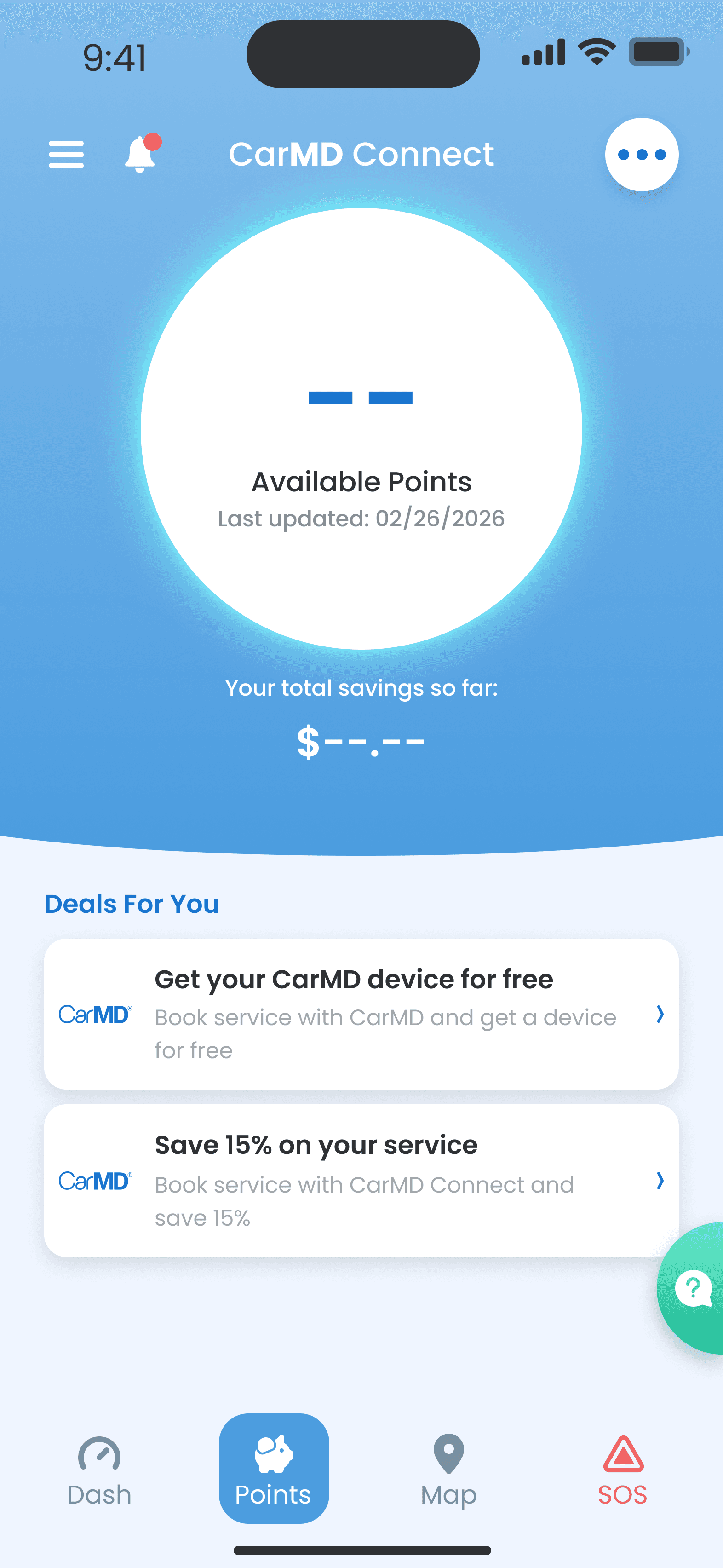
Production-ready designs

Production-ready designs

CarMD connect was shipped in September of 2025, available on Amazon and select Walmart locations.

Available on the app stores:

Post Mortem: End-user Alignment is key.

Post Mortem: End-user Alignment is key.

Inform Business Decisions

  • Build monetization strategies around user behavior

  • Validate demand before development

Challenge Assumptions

  • Validate assumptions early with data

  • Clearly define the user's needs through research

Fail early

  • Avoid unnecessary technical debt with lean prototypes to validate direction

  • Determine if miss-alignment is a presentation issue, or something greater.

Reflection

What I would repeat
Combining various user research methods at different stages of the project to help ensure continuous alignment.

What I would change
Present stakeholders with a validation plan prior to development, giving the product better footing before moving to full fidelity prototypes.

What's next?
Go back to the user research - reframe the product and monetization strategy around the strongest value proposition.

Thanks for your time

Thanks for your time

"Time isn't the main thing. It's the only thing."
~ Miles Davis

Back to top